Alpine Navigation & Mountain Survival Riding Guide
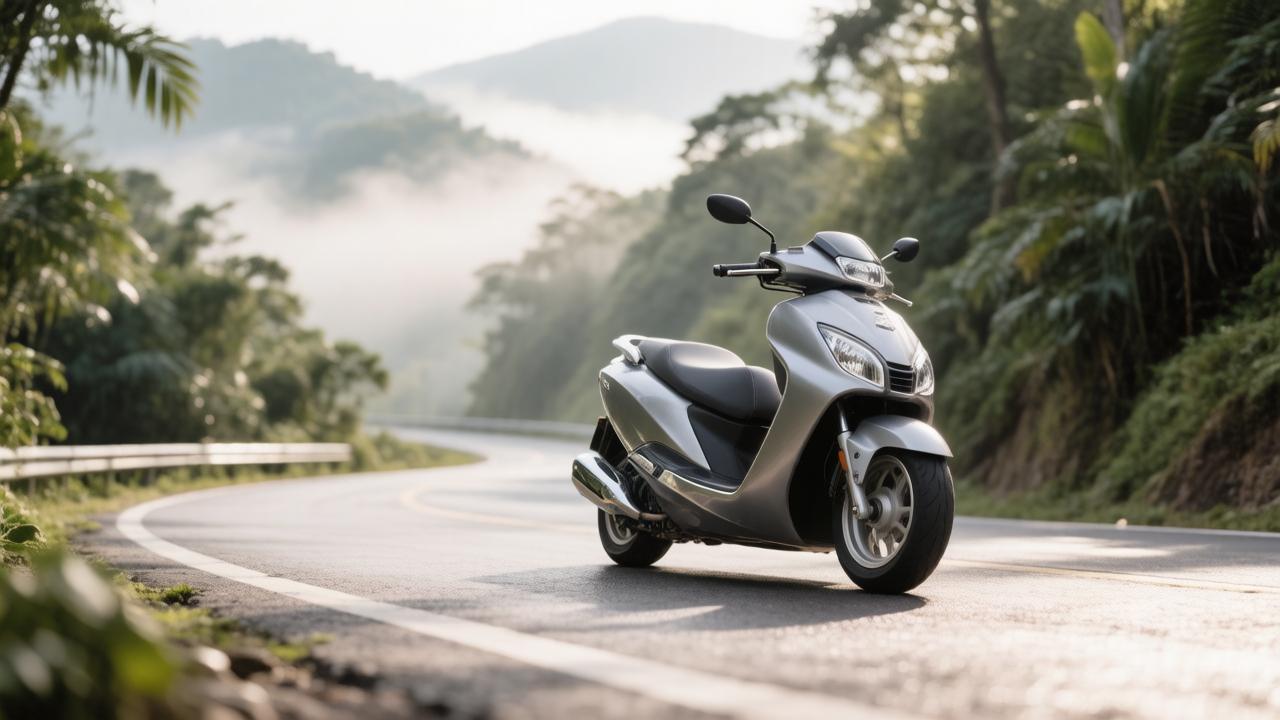
“Gravity and mountain physics do not negotiate with casual riders. Mastering the steep alpine inclines requires specialized technical awareness and a machine built for extreme stress.”
The Tactical Reality of Northern Thailand’s Highways
The mountainous terrain surrounding Chiang Mai province is globally renowned for containing some of the most exhilarating, technically complex driving routes in existence. From the tight, consecutive hairpin turns of the Samoeng Circuit to the relentless high-altitude ascents leading toward the peak of Doi Inthanon, these roads are a paradise for two-wheel enthusiasts. However, this extreme geography introduces serious environmental challenges that standard city commuters are rarely equipped to handle. When international travelers arrive with the intent to chiang mai rent scooter operations for serious mountain exploration, they must transcend casual riding habits and adopt precise, professional alpine techniques.
Unlike flat coastal tourist destinations, the mountain passes of Northern Thailand feature severe gradient changes, blind curves hidden by dense tropical jungle, unpredictable micro-climates, and sudden surface traction shifts. Operating an automatic two-wheel vehicle under these punishing conditions places massive thermal stress on braking systems and demands flawless throttle-to-chassis synchronization. This technical survival guide outlines the professional riding physics, deceleration strategies, and route preparation protocols necessary to conquer the northern loops with elite-tier security.
The Physics of Brake Fade Management on Steep Descents
The single most critical mechanical danger encountered during long mountain expeditions is the phenomenon known as brake fade. When descending a steep alpine road for several consecutive kilometers, inexperienced riders frequently make the catastrophic mistake of constantly riding or dragging their front and rear brake levers. This continuous friction creates rapid, extreme thermal buildup within the braking architecture, boiling the hydraulic brake fluid and crystallizing the brake pad compounds.
Once the hydraulic fluid reaches its boiling threshold, gas bubbles form within the lines, causing the brake levers to feel completely soft and spongy. This results in an immediate, severe loss of deceleration performance. To prevent this dangerous thermal crisis, operators must implement a sequential technique known as cadence or interval braking:
Allow the scooter to descend naturally on straight sections while keeping both brake levers fully released. This crucial window allows ambient mountain air to actively cool the rotors and calipers.
Approximately 30 to 40 meters before entering a corner, apply a firm, progressive, and synchronous pulse to both brakes to shed velocity rapidly while keeping the vehicle completely upright.
Release the brakes completely before leaning into the turn, ensuring your tire compound dedicates 100% of its available chemical grip to directional cornering force rather than braking traction stress.
Cornering Architecture: Corner Entry, Apex, and Exit lines
Navigating blind mountain hairpins demands a complete understanding of track positioning and vision management. Casual operators often cut the corner too early—a technical error known as early apexing. This dangerous line forces the scooter wide on the exit of the turn, pushing the vehicle directly into oncoming traffic lanes where heavy commercial trucks and regional buses frequently cross over the painted center lines.
To establish a maximum safety envelope, riders must adopt a wide-entry, late-apex cornering strategy. When approaching a sharp right-hand mountain turn, position your vehicle toward the outer left edge of your lane. Maintain this wide position until you can clearly see through the curve to locate the exit point. Once the path is verified clear, smoothly lean the machine inward toward the inner right apex, then accelerate smoothly out of the corner. This approach keeps you visible to oncoming traffic and maximizes your structural lean angles.
The Micro-Climate Factor
The mountain ranges of Chiang Mai generate their own distinct environmental conditions. It is common to depart from our warm, dry urban headquarters only to encounter heavy condensation, slick moss growth, and sudden drops in track temperature as you climb above 1,000 meters. Always reduce your base cornering speeds by at least 30% when traversing shaded mountain ridges, as moisture trapped beneath the jungle canopy can transform clean asphalt into an unpredictable, low-friction surface.
Logistical Checklists for Long-Distance Mountain Touring
A successful mountain loop requires rigorous planning before starting your engine. Never embark on an alpine journey through remote national parks without verifying your operational logistics. Our administrative desk provides custom-mapped route folders, but every professional rider should carry these vital parameters:
- Fuel Management Strategy: High-capacity maxi-scooters offer extensive range, but automatic 125cc models require strategic refueling. Map out official PTT stations along your route; remote mountain villages often rely on local hand-pumped barrel fuel which may contain debris or moisture.
- Sanitized Protective Infrastructure: Operating at high altitude means dealing with high UV indexes and debris. Ensure your helmet features an impact-resistant face shield that is clean and free of scratches to preserve vision during rapid light transitions.
- Communication Nodes: Ensure your mobile device has a local SIM card with an active cellular data profile. Download offline mapping data for the entire northern region, as deep valley passes can occasionally drop active network signals.
Conclusion: Autonomy Belongs to the Prepared Mind
Exploring the open highways of Chiang Mai on a premium automatic scooter or a high-performance adventure touring machine provides an incomparable sense of physical freedom and deep connection to the environment. By respecting the laws of physics, implementing technical cadence braking, and utilizing high-performance tire compounds, you completely eliminate the common risks that ruin standard tourist trips. Step away from amateur rental habits and step into an uncompromised standard of technical excellence. Plan your itinerary with our senior tour advisers, secure your meticulously prepared vehicle, and experience the pure joy of technical alpine touring in its finest form.